
Heeng (Asafoetida): The Pungent Spice with Culinary and Medicinal Wonders
WELLNESS TIPSFITNESS TRENDS
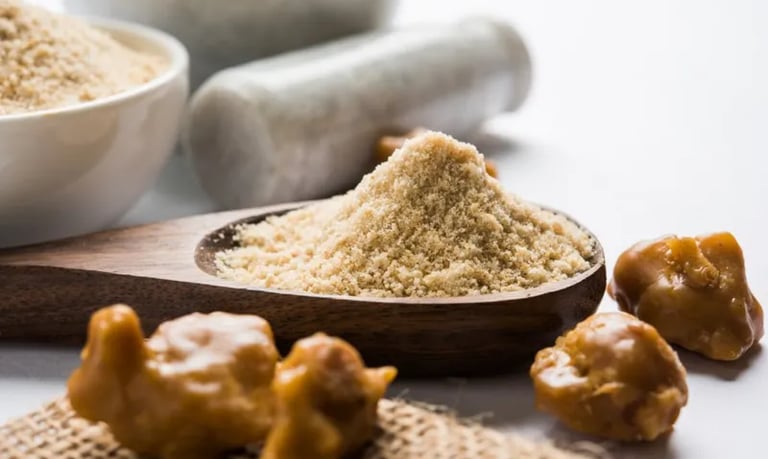
Heeng, also known as asafoetida, is a pungent spice derived from the resin of the roots of Ferula assa-foetida, a plant native to Iran and Afghanistan. It is widely used in Indian, Middle Eastern, and Central Asian cuisines. Heeng has a strong, sulfurous aroma when raw, but when cooked, it imparts a savory, umami-like flavor reminiscent of leeks or garlic.
Heeng, also known as asafoetida, is a pungent spice derived from the resin of the roots of Ferula assa-foetida, a plant native to Iran and Afghanistan. It is widely used in Indian, Middle Eastern, and Central Asian cuisines. Heeng has a strong, sulfurous aroma when raw, but when cooked, it imparts a savory, umami-like flavor reminiscent of leeks or garlic.
Culinary Uses of Heeng
Tempering (Tadka):
Heeng is commonly used in tempering (tadka) for Indian dishes. It is added to hot oil or ghee along with mustard seeds, cumin, and other spices to release its flavor.
It is a key ingredient in dal (lentil dishes), curries, and vegetable preparations.
Digestive Aid:
Heeng is known for its digestive properties and is often added to lentil-based dishes, which can cause bloating, to reduce gas and aid digestion.
Vegetarian Cooking:
In Indian vegetarian cuisine, especially in Jain cooking where onions and garlic are avoided, heeng is used as a flavor substitute for these ingredients.
Pickles and Chutneys:
It is used in small quantities in pickles, chutneys, and spice blends like sambar powder and rasam powder.
Meat and Fish Dishes:
In Middle Eastern and Central Asian cuisines, heeng is used to flavor meat and fish dishes.
Spice Blends:
Heeng is a component of many spice mixes, such as panch phoron (a Bengali five-spice blend) and sambar powder.
Medicinal Uses
Digestive Health:
Heeng is traditionally used to treat indigestion, bloating, and flatulence.
It is believed to stimulate the production of digestive enzymes.
Respiratory Health:
It is used in Ayurveda and traditional medicine to relieve asthma, bronchitis, and coughs.
Anti-inflammatory and Antispasmodic:
Heeng has anti-inflammatory properties and is used to relieve menstrual cramps and stomach aches.
Antimicrobial Properties:
It is believed to have antimicrobial and antifungal properties, making it useful in traditional remedies.
How to Use Heeng
Raw Form: Heeng is available in raw resin form, but this is rarely used in everyday cooking due to its strong flavor.
Powdered Form: The most common form is compounded asafoetida powder, mixed with rice flour or gum arabic to make it easier to use. This is added directly to dishes during cooking.
Quantity: A pinch of heeng is usually enough to flavor a dish, as it is very potent.
Storage
Store heeng in an airtight container to preserve its aroma and potency. Keep it away from moisture and direct sunlight.
Cultural Significance
In Indian culture, heeng is considered an essential spice in the kitchen, especially in vegetarian and Jain diets.
It is also used in traditional remedies and rituals in some cultures.
Heeng’s unique flavor and health benefits make it a valuable addition to both culinary and medicinal practices. However, its strong aroma means it should be used sparingly to avoid overpowering a dish.
asafoetida asafoetida benefits asafoetida in cooking benefits of heeng culinary uses of heeng heeng heeng flavor heeng for digestion heeng health benefits heeng in Ayurveda heeng in Central Asian cuisine heeng in cooking heeng in dal heeng in Indian cuisine heeng in Middle Eastern cuisine heeng in tadka heeng in vegetarian cooking heeng recipes heeng spice heeng storage heeng substitute heeng uses how to use heeng medicinal uses of heeng traditional uses of heeng